
Federal Loan Policy Is Pricing Women Out of Healthcare’s Most Critical Roles
The July 1 changes are being framed as student loan policy. But they raise a larger question about what kind of labor, and whose labor, America is willing to invest in.
The July 1 changes are being framed as student loan policy. But they raise a larger question about what kind of labor, and whose labor, America is willing to invest in.
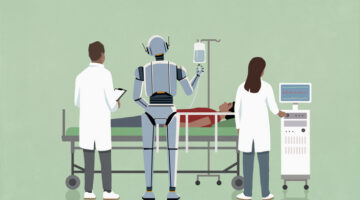
The real question is whether we're being honest with ourselves about what medical education was designed to produce, and whether our current system is still doing that job.

Small practices play a critical role in healthcare delivery, but they cannot continue to absorb ever-increasing administrative demands without consequences.

The problem isn’t whether these modalities work, but how they’re being implemented into the workforce. Efficient rollout, proper training, and ongoing education are vital for these new methods to reach their full potential.
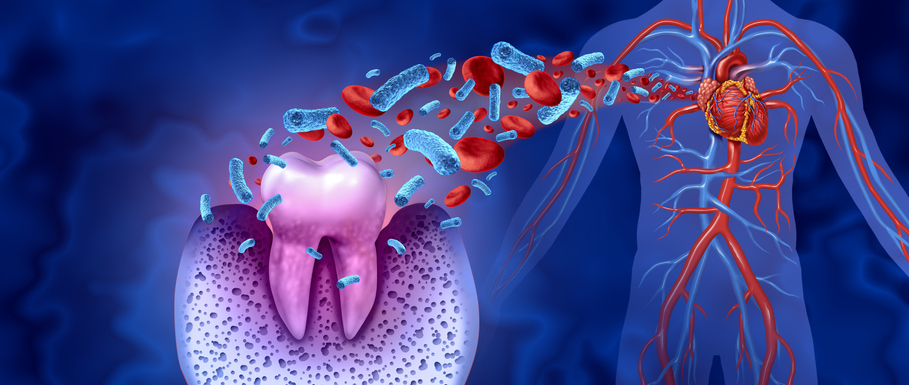
Reinforcing educational standards will enable hygienists to perform more advanced procedures and raise the standard of care.
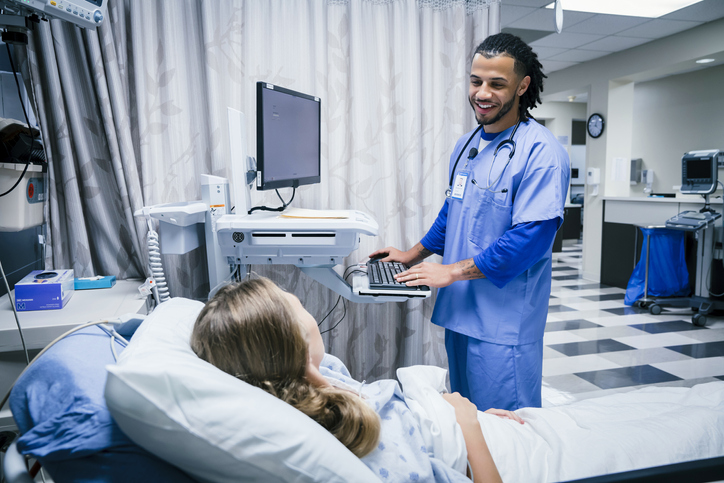
For healthcare facilities, AI-driven soft skill training is gaining traction in light of critical staffing shortages and the need for more emotionally intelligent personnel.

Awareness of autism has grown, but we need to move beyond this into understanding and acceptance. Real progress depends on how we translate understanding into action — training more professionals, funding adult services, and redesigning workplaces and communities so autistic individuals can flourish throughout their lifespan.

Veradigm examines key clinical trends, comorbidity profiles, and treatment trends across adolescence, reproductive years, and peri-/post-menopause. Download it today!
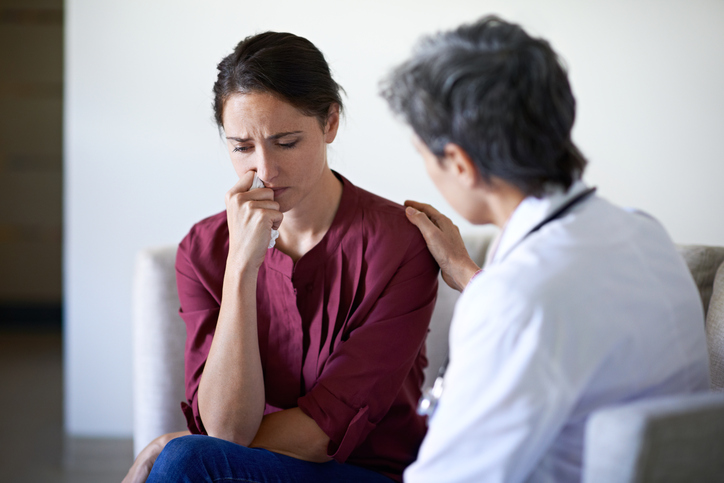
Authority built on information control cannot survive in the age of AI and instant access. But authority built on wisdom, judgment, empathy, and genuine partnership? That's eternal. And it's exactly what patients have been asking for all along.

Giving dentists more hands-on training provides a platform for repeated practice, real-time feedback, and continuous improvement, helping prepare students with the confidence and consistency they need to succeed in patient care.

Symptoms often get labeled as anxiety, chronic fatigue, early neurodegeneration, IBS, or fibromyalgia. How to prevent the root cause — mold exposure — from going unrecognized.
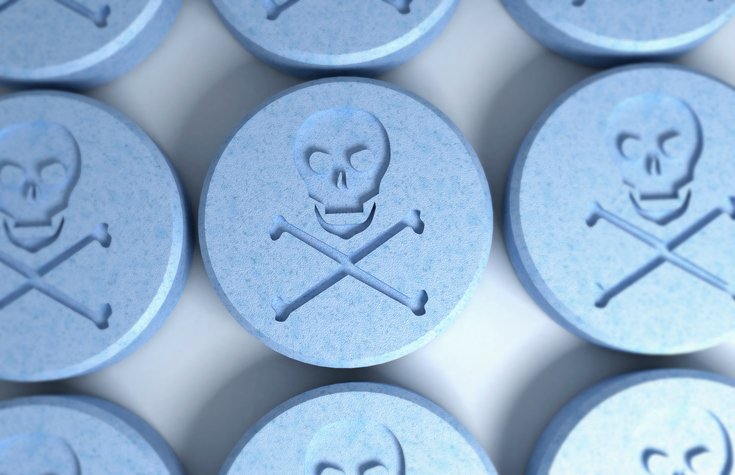
Given the scale of the pediatric overdose crisis, medical students must receive early and consistent training on how to screen for substance use and engage in overdose prevention during pediatric encounters.

Healthcare decision-makers, especially at pharmaceutical companies, must prioritize patient input. Data collected from social media listening is a significant step in the right direction.

We must continuously improve our education system, spanning from classroom to continued education, with vetted techniques that acknowledge the chaos and complexity of the healthcare environment. Learning by doing — our version of emergency weather drills — must happen before the storm hits, not during it.

Many of those who survive the loss, devastation, and displacement of an extreme climate event — such as a flood, tornado, drought, or wildfire — experience anxiety, depression, post-traumatic stress disorder (PTSD), and even suicidal thoughts. Similar mental illnesses are often found even when people are indirectly exposed to extreme climate events.

AI-generated simulations can standardize diversity in exposure by creating virtual patients from varied backgrounds, each with unique risk factors and life experiences.

Biosimilars represent an important therapeutic option in modern healthcare, offering cost-effective alternatives to complex biological drugs. The educational gap among healthcare professionals poses a challenge to their widespread adoption. Medical Affairs teams in the pharmaceutical industry are at the forefront of bridging this gap

While many will remember the Covid-19 pandemic as a source of disruption, it is likely that it will also be viewed as a catalyst for the transformation of medical education that had been brewing for the past decade.